

A war of words erupted this week between rock icon Bruce Springsteen and Stephen Miller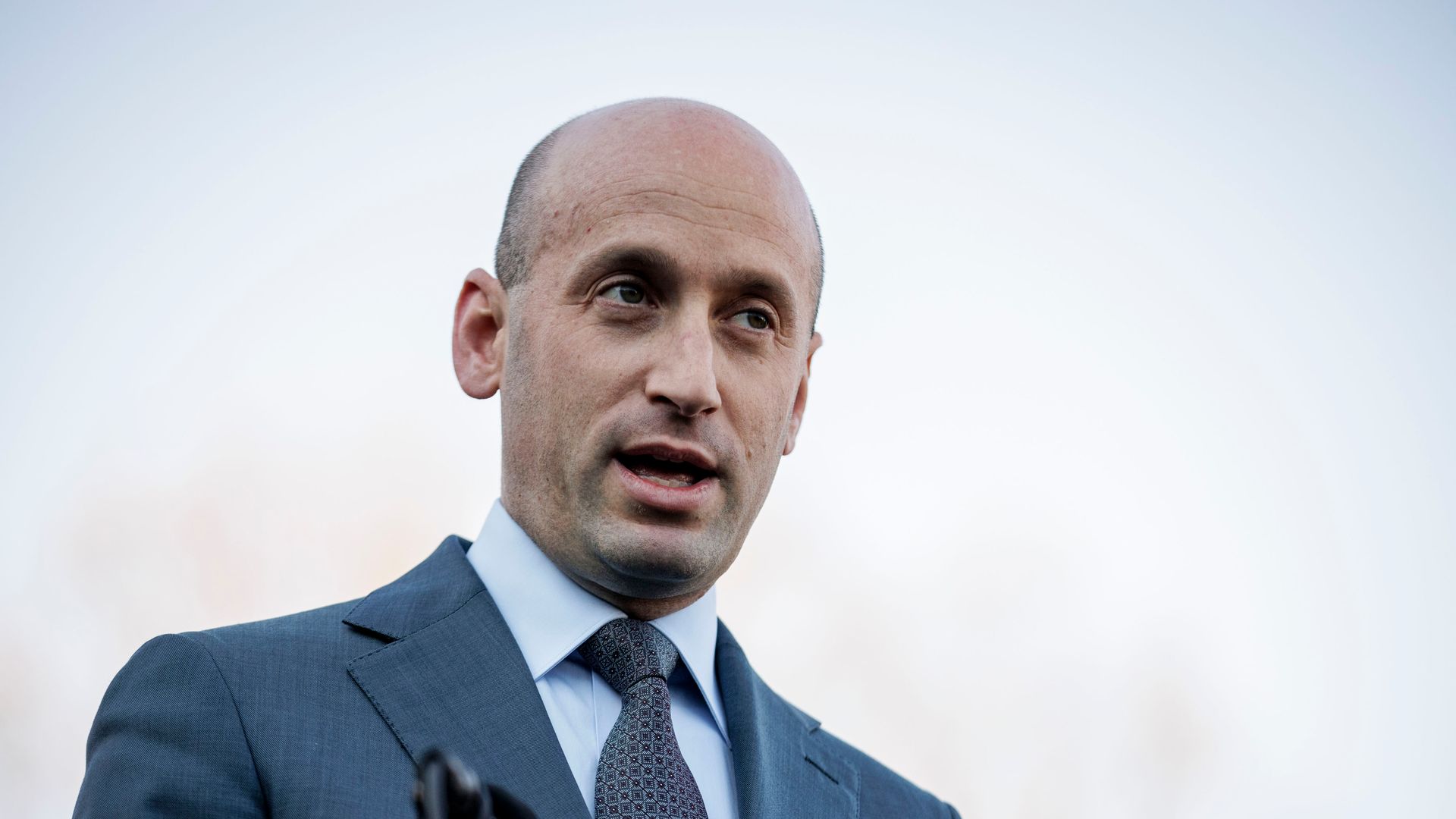 , a former senior homeland security official under President Donald Trump, after Springsteen used inflammatory language to criticize Miller during a public appearance.
The exchange highlights the increasingly heated tone of political discourse in the United States, where cultural figures and political operatives often collide in highly public and personal ways.
Springsteen's Remarks
During a recent conversation about American politics and concerns over democratic norms, Springsteen sharply criticized former President Trump and members of his administration. In that context, he referred to Miller using historically charged language, comparing him to figures associated with Nazi propaganda.
The comments were delivered while Springsteen was discussing what he described as fears about democratic backsliding and political extremism. He suggested that certain officials had played outsized roles in shaping rhetoric and policy.
His use of the term "Nazi" and the comparison to Joseph Goebbels — the Nazi regime's chief propagandist — drew immediate backlash from political figures and commentators across the spectrum. Critics accused Springsteen of crossing a line by invoking comparisons to one of history's most notorious regimes.
Supporters, meanwhile, argued that his remarks reflected broader concerns about authoritarian tendencies and hardline immigration policies during the Trump administration.
Miller's Response

Stephen Miller responded swiftly and forcefully.
In a statement and subsequent media appearances, Miller dismissed Springsteen's comments as "unhinged" and characterized the singer as out of touch. He criticized Springsteen's musical relevance and credibility, asserting that the artist's political commentary was driven by bitterness rather than principle.
Miller's remarks were equally sharp, framing Springsteen as a cultural figure whose influence, in his view, has waned.
The exchange quickly moved beyond policy disagreements and into personal territory, with both sides employing language that observers described as unusually severe.
Cultural Figures and Political Speech
Bruce Springsteen has long been associated with political engagement. Over the decades, he has publicly supported Democratic candidates and spoken about issues including economic inequality, veterans' affairs, and civil rights. His music often centers on working-class struggles and American identity.
However, while Springsteen has frequently criticized political leaders, his recent remarks mark one of his most direct and confrontational statements regarding an individual official.
Political analysts note that celebrity involvement in political discourse is hardly new. From musicians protesting wars in the 1960s to contemporary artists endorsing candidates, entertainers have often used their platforms to express civic opinions.
What distinguishes this episode is the intensity of the language involved — particularly the invocation of Nazi comparisons, which remain among the most serious accusations in political rhetoric.
The Weight of Historical Comparisons

The use of Nazi analogies in modern political debates is widely regarded as deeply inflammatory. Historians and commentators frequently caution that such comparisons can diminish the gravity of historical atrocities and escalate tensions rather than foster substantive dialogue.
Both supporters and critics of Springsteen acknowledged that the reference was provocative.
Some argued that his remarks were hyperbolic but rooted in genuine alarm about policy directions. Others countered that equating contemporary political actors with genocidal regimes undermines constructive debate.
Miller's defenders similarly criticized the personal nature of the exchange, arguing that policy disputes should not devolve into character attacks.
A Reflection of Polarization
The confrontation underscores the deep polarization that defines current American political culture. Public figures on opposing sides increasingly frame disagreements in existential terms, reflecting a broader environment in which rhetoric often outpaces nuance.
Social media amplified the dispute within minutes. Clips of Springsteen's comments and Miller's response circulated widely, drawing millions of views and generating heated online debate.
Cable news panels devoted segments to dissecting the exchange, with some commentators expressing concern over the normalization of extreme language.
Broader Implications
For Springsteen, the episode reinforces his role as not only a cultural icon but also a vocal political participant. For Miller, it provides another platform to defend his record and push back against critics.
Yet the exchange also raises broader questions about the boundaries of political speech. When rhetoric escalates to personal denunciation, does it energize supporters or deepen divisions?
Communication experts suggest that while sharp language can galvanize a base, it often alienates undecided audiences and narrows the possibility for meaningful dialogue.
Moving Forward
Neither Springsteen nor Miller indicated an intention to de-escalate in the immediate aftermath of the exchange. As of this writing, both appear to stand by their respective remarks.
In a political climate already marked by sharp divisions, the clash serves as another reminder of how quickly public disagreements can spiral into headline-dominating confrontations.
At its core, the dispute reflects more than a personal feud. It illustrates the collision between cultural influence and political power — and the volatile consequences when rhetoric crosses into the realm of historical accusation.
Whether the episode fades quickly or becomes part of a longer-running narrative remains to be seen. What is certain is that in today's media environment, a single statement can ignite a national firestorm within hours.