

Country music star Blake Shelton has found himself at the center of a growing political debate after quotes attributed to him began circulating widely across social media platforms this week. The remarks, which reference national identity, constitutional values, and U.S. Representative Ilhan Omar, have prompted sharp reactions from both supporters and critics, highlighting once again the complicated intersection of celebrity influence and political discourse.
The controversy began when a clip and accompanying text posts surfaced online, quoting Shelton as saying, "Our country should protect its values — even when it's uncomfortable." Additional excerpts attributed to him emphasized respect for constitutional principles and shared civic responsibility, with particular attention drawn to comments referencing Rep. Omar, a naturalized U.S. citizen originally from Somalia.
"I love this country," Shelton was quoted as saying in widely shared posts. "It's built on opportunity, freedom, and respect for the Constitution. When people in positions of power speak in ways that seem to undermine those values, Americans are going to have strong reactions."
As of publication, Shelton's representatives have not released an official statement confirming or clarifying the context of the remarks. It remains unclear whether the quotes were taken from a larger speech, interview, or informal conversation. The absence of full context has not slowed the debate, however, as the comments continue to spread across digital platforms.
A Familiar Cultural Flashpoint

Shelton, known primarily for his chart-topping country hits and long-running television presence, has generally maintained a relatively measured public stance on partisan politics throughout his career. While he has expressed pride in American traditions and support for military service members in the past, he has typically avoided direct commentary on specific elected officials.
That history has made the recent viral remarks particularly notable. In today's polarized political environment, even perceived alignment with specific policy viewpoints can quickly escalate into a national conversation.
Political analysts note that when public figures with large and diverse fan bases enter discussions about governance or national identity, reactions tend to be amplified.
"Celebrities operate at a different scale of visibility," said media communications expert Dr. Laura Hensley. "Even comments that might seem general or philosophical can take on sharper political meaning once they circulate online."
Mixed Reactions Across the Political Spectrum
Online reaction to the remarks has been swift and divided.
Supporters argue that Shelton's comments reflect widely held concerns about civic responsibility and constitutional adherence. Many posts defending the country star emphasize that his remarks did not call for excluding immigrants broadly but instead focused on the importance of shared national principles.
"Talking about values and constitutional respect shouldn't be controversial," one supporter wrote on social media. "He's speaking as a citizen, not a politician."
Others have framed the remarks as an expression of patriotism rather than partisanship, suggesting that public figures have the same right to political opinion as any other American.
Critics, however, have raised concerns about the reference to Rep. Omar, arguing that singling out an individual lawmaker — particularly one who is part of a minority community — risks inflaming tensions. Some commentators contend that high-profile figures should exercise caution when discussing elected officials, given their wide-reaching platforms.
"There's a responsibility that comes with influence," said one political commentator during a televised panel discussion. "When a celebrity comments on a specific member of Congress, it can intensify polarization rather than encourage constructive debate."
The Broader Question of Celebrity and Politics
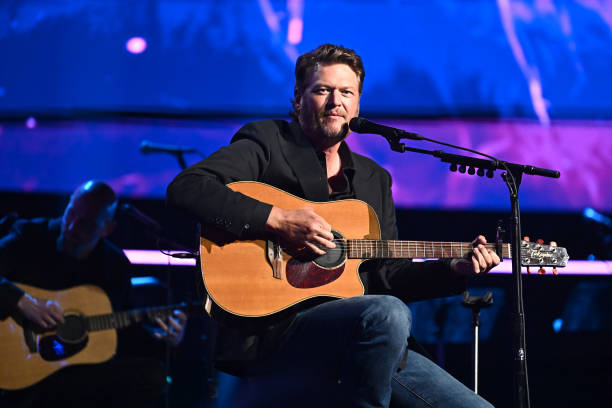
The episode underscores a recurring national question: What role should entertainers play in political discourse?
In recent years, musicians, actors, and athletes have increasingly spoken out on political issues, from voting rights to foreign policy. While some audiences welcome such engagement as civic participation, others prefer that entertainers remain focused on their professional craft.
Shelton's case is particularly illustrative because of his cross-demographic appeal. With a fan base that spans rural and urban audiences, multiple age groups, and varying political affiliations, any perceived political stance carries potential implications for public perception.
Industry observers note that country music has historically been associated with themes of patriotism and American identity, which can further complicate reactions when artists in the genre address political topics.
Context and Verification Still Pending
At this stage, much of the controversy centers on the authenticity and full context of the remarks. Without a complete transcript or verified video source, some analysts caution against drawing firm conclusions.
"In the digital age, partial quotes can travel faster than clarification," said media ethicist Robert Delgado. "Before assessing intent, it's important to confirm what was actually said and in what setting."
Shelton has not posted additional commentary addressing the viral debate on his official social media accounts. Representatives for Rep. Omar have also not issued a statement directly responding to the circulating remarks.
A Reflection of a Divided Moment

Regardless of final clarification, the situation reflects the broader state of American political discourse. Public conversation about national identity, immigration, and constitutional interpretation remains highly charged as the country approaches another election cycle.
In that environment, even cultural figures who have traditionally remained outside overt political alignment can quickly become part of the narrative.
Whether Blake Shelton chooses to elaborate on the comments or allow the controversy to fade remains to be seen. What is clear, however, is that the episode illustrates how rapidly celebrity, social media, and politics can intersect — and how difficult it can be to separate personal expression from partisan perception once a statement enters the national spotlight.