

NASHVILLE, Tenn. — Country music star Blake Shelton has found himself at the center of a growing national conversation after remarks he made about U.S. military decisions and the sacrifices faced by American service members began circulating widely online.
Shelton, who has largely avoided direct political commentary throughout his decades-long career, surprised many fans and commentators by speaking openly about the human cost of military conflict. His remarks focused on the impact of war on military families and the broader responsibility of political leaders when sending American troops overseas.
The comments quickly spread across social media platforms, prompting both praise and criticism as Americans debated the role of entertainers in addressing sensitive national issues.
A Rare Political Moment
Shelton's public persona has traditionally been rooted in music, humor, and a strong connection to everyday American life. Since his breakout hit "Austin" in 2001, the Oklahoma native has built a reputation as one of country music's most commercially successful artists. His career includes dozens of chart-topping singles, multiple industry awards, and years of visibility on national television.
Because of that image, Shelton's remarks about military policy caught many observers off guard.
During the discussion, Shelton raised concerns about the burden carried by soldiers and their families when the United States engages in overseas conflicts. According to those who heard the comments, he questioned whether political leaders fully understand the personal cost of decisions that send young Americans into combat.
"We ask the sons and daughters of everyday Americans to serve and sacrifice," Shelton reportedly said. "But the weight of those decisions doesn't always fall on the people who make them."
The statement immediately drew attention because it touched on a long-standing debate in American politics: who bears the responsibility and consequences of military action.
The Human Cost of War

Shelton's remarks emphasized the emotional and personal realities faced by service members and their families. He noted that military service often involves long deployments, dangerous missions, and the possibility of loss — experiences that can permanently affect both soldiers and their loved ones.
The singer reportedly urged audiences to consider the human side of military decisions, suggesting that hearing directly from military families can shift perspectives on war and foreign policy.
Military families across the United States have long been a central part of national conversations about defense policy. Their experiences often shape public understanding of what military service entails beyond headlines and political debate.
Shelton's comments appeared to reflect that perspective, highlighting the sacrifices made by individuals who serve and the emotional toll placed on those waiting for them at home.
Political References Spark Reaction
Part of the controversy surrounding Shelton's remarks stems from references he made to political leadership and military service within the families of public officials.
Shelton pointed out that decisions about war are often made by individuals who do not personally experience the same risks faced by soldiers on the battlefield. In contrast, he referenced political families that have experienced loss connected to military service, arguing that such experiences can influence how leaders view the consequences of military action.
The comments were interpreted by some observers as a direct critique of past political leadership decisions related to overseas conflicts.
As news of the remarks spread, debate intensified online.
Social Media Divided
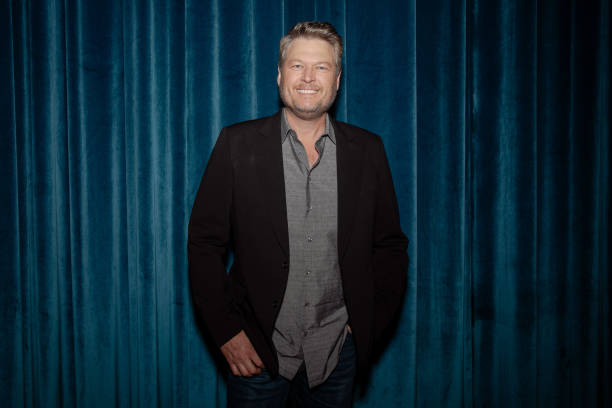
Supporters of Shelton praised him for speaking openly about an issue that many believe deserves more public discussion. Some argued that public figures can play an important role in encouraging awareness about the sacrifices made by service members.
"Artists have platforms that reach millions," one commenter wrote. "If they use that platform to talk about the real cost of war, that's not a bad thing."
Others said Shelton's comments reflected concerns shared by many Americans who have grown wary of prolonged overseas conflicts.
However, critics argued that entertainers should avoid making political statements on complex foreign policy issues. Some accused Shelton of oversimplifying a complicated topic or unfairly targeting specific political figures.
"Musicians should focus on music," one critic wrote on social media. "Foreign policy decisions are far more complicated than a soundbite."
The divide highlights a broader cultural trend in which celebrities increasingly participate in discussions about national issues, often generating both admiration and backlash.
Celebrity Influence in Political Conversations
Shelton's remarks come at a time when the boundaries between entertainment and political discourse have become increasingly blurred. In recent years, numerous musicians, actors, and athletes have used their public platforms to comment on social and political topics.
Media analysts note that celebrity involvement can amplify public conversations, drawing attention from audiences who might otherwise avoid political news.
"Public figures have enormous cultural reach," said one communications expert. "When someone like Blake Shelton speaks on an issue, it immediately becomes part of the national conversation."
At the same time, such statements often risk alienating portions of a celebrity's audience, particularly when those audiences hold diverse political views.
Shelton Remains Silent on Further Clarification

As of publication, Shelton has not released an additional statement expanding on his remarks or responding directly to the controversy. Representatives for the singer have also declined to comment further.
For now, the debate continues largely online, where discussions about Shelton's comments have spread across political forums, fan communities, and entertainment media.
A Larger Conversation
Whether Shelton intended to spark a national debate or simply share a personal perspective, the reaction to his remarks underscores how deeply the issue of military service resonates across American society.
For some, his comments represent a reminder of the sacrifices made by soldiers and their families. For others, they highlight the risks of blending celebrity influence with political commentary.
Either way, the discussion reflects a broader reality: in today's media landscape, even brief remarks from high-profile figures can ignite widespread national conversations about complex and deeply personal issues.
As the debate continues, Shelton's comments have once again demonstrated the powerful intersection of culture, politics, and public opinion in modern America.