

A heated debate has emerged across social media platforms after comments attributed to rock legend Jon Bon Jovi began circulating online, prompting some fans to call for a boycott of the singer's music while others rushed to defend him.
The controversy centers on claims that Bon Jovi expressed concern about children being exposed to cartoons featuring LGBTQ themes. According to posts spreading across the internet, the musician allegedly argued that children should be raised in more "traditional ways" and that adults should focus on allowing kids to simply enjoy their childhood without introducing complex social issues too early.
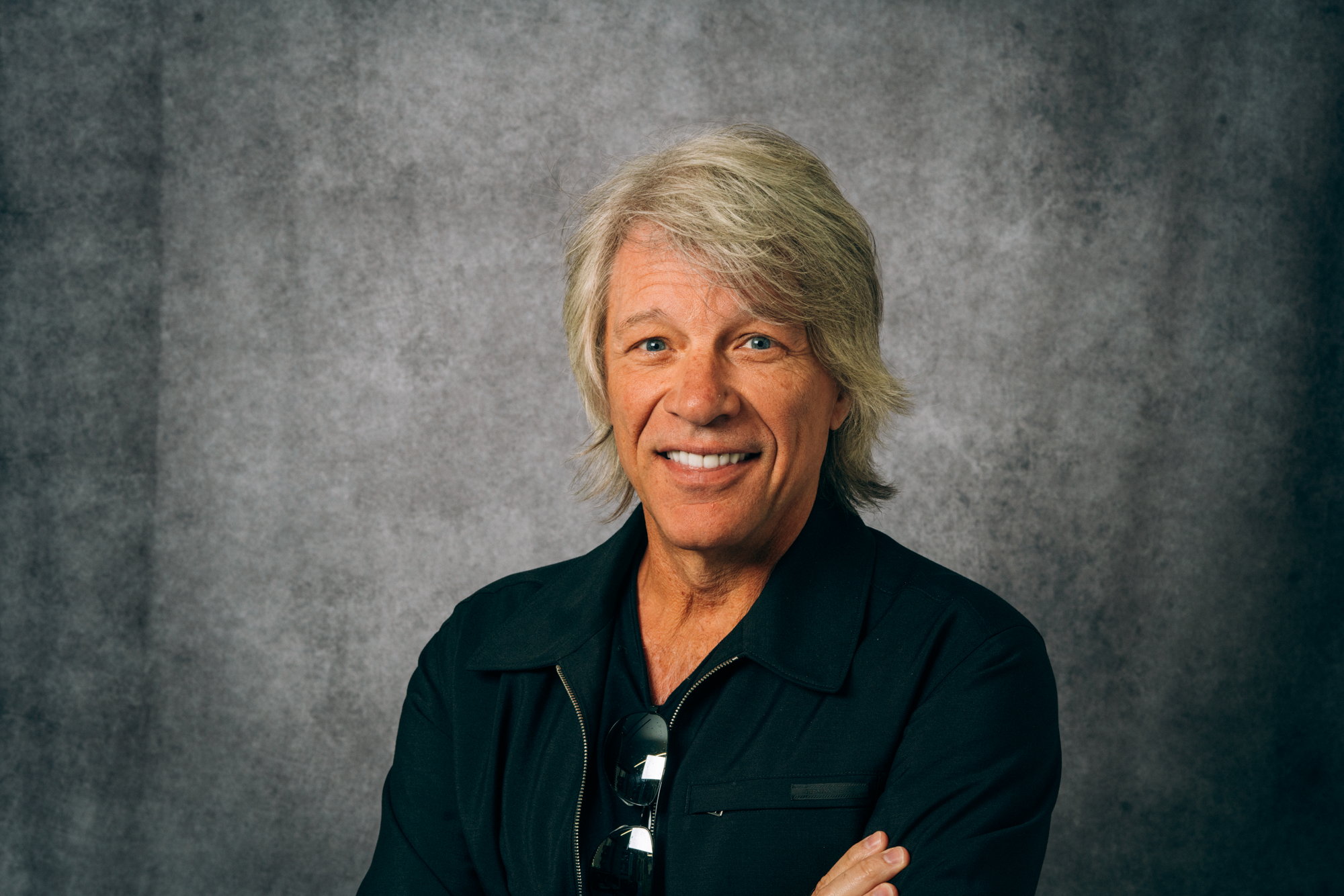
Although the context and origin of the remarks remain widely debated, the reaction online has been swift and polarized.
Online Backlash and Boycott Calls
Within hours of the comments gaining attention, critics began posting messages urging people to stop supporting Bon Jovi's work. Some individuals announced they would no longer stream his music, attend concerts, or watch television appearances and documentaries associated with the singer.
A number of posts went even further, calling for Bon Jovi's music to be removed from certain streaming platforms.
The boycott calls reflect a broader trend in today's digital landscape, where public figures can quickly face backlash when statements—whether confirmed, misunderstood, or taken out of context—spread rapidly across social networks.
For some critics, the issue centers on the role of representation in media aimed at younger audiences. They argue that including diverse identities in children's programming can help foster understanding and acceptance.
"Media plays a powerful role in shaping how children see the world," one social media user wrote. "Removing representation sends the wrong message."
Others echoed similar concerns, suggesting that public figures have a responsibility to be mindful of how their statements may affect marginalized communities.
Supporters Push Back
At the same time, many fans have pushed back strongly against the boycott campaign.
Supporters of Bon Jovi argue that the remarks being circulated online may be incomplete or misinterpreted. Some believe the comments have been amplified without full context, while others say the singer was simply expressing a personal opinion about parenting and childhood development.

Several fans also pointed to Bon Jovi's long history of humanitarian work, arguing that his decades of charitable efforts should be considered when evaluating the controversy.
Through his JBJ Soul Foundation, Bon Jovi has supported initiatives addressing homelessness, food insecurity, and affordable housing across the United States. His JBJ Soul Kitchen community restaurants—operating in New Jersey and other locations—offer meals to anyone in need, allowing customers to pay what they can or volunteer in exchange for food.
"These projects have helped thousands of people," one supporter wrote online. "That's the side of Jon Bon Jovi people should remember."
The Power of Social Media Amplification
Media analysts say the situation highlights how quickly discussions involving celebrities can escalate in the digital age.
In previous decades, controversial remarks might have circulated through traditional news channels over several days. Today, a single quote—sometimes lacking context—can spread to millions of users within minutes.
That rapid spread can make it difficult for audiences to determine whether a statement reflects a verified comment, a partial quote, or an entirely fabricated claim.
"Social media moves faster than fact-checking," said one communications expert. "By the time the full story becomes clear, the public reaction is often already in motion."
Artists and Personal Views
The controversy also touches on a larger cultural question: should an artist's personal views affect how audiences engage with their work?

Some listeners believe that music and entertainment should be evaluated independently from an artist's opinions. Others argue that public figures who benefit from large platforms should be held accountable for the messages they share.
Bon Jovi himself has rarely been associated with cultural controversies during his decades-long career. The singer has generally maintained a reputation for focusing on music, philanthropy, and community initiatives rather than political or social debates.
A Career Spanning Four Decades
Jon Bon Jovi first rose to fame in the 1980s as the frontman of the band Bon Jovi, which produced some of the era's most recognizable rock anthems, including Livin' on a Prayer, You Give Love a Bad Name, and Wanted Dead or Alive.
Over the years, the band has sold millions of albums worldwide and performed sold-out tours across multiple continents.
Beyond music, Bon Jovi has become known for his philanthropic work and advocacy for social programs aimed at supporting struggling families.
The Conversation Continues
As of now, the singer has not issued a detailed public statement addressing the controversy directly.
Meanwhile, discussions about the alleged comments continue across social media platforms, with supporters and critics debating both the meaning of the remarks and the broader cultural issues they raise.
Whether the situation will have any lasting impact on Bon Jovi's career remains uncertain. What is clear, however, is that the debate reflects a broader reality of modern celebrity culture: in an era of instant communication, even a few words—real or rumored—can ignite a nationwide conversation within hours.