

Rock icon Jon Bon Jovi is best known for electrifying stadiums and delivering some of the most enduring anthems in modern rock music. But during a recent television appearance with MSNBC host Nicolle Wallace, the legendary singer stepped away from the stage and into a deeply serious national conversation — one that quickly captured attention across media and social platforms.
What began as a reflective interview about music, influence, and the cultural role of artists soon transformed into a powerful and emotional discussion about the future of the United States.
Throughout the conversation, Bon Jovi spoke candidly about the political climate in the country and the responsibilities citizens face in protecting democratic values.
A Rock Star Speaks With Urgency
During the interview, Bon Jovi did not shy away from discussing former President Donald Trump and his continued influence on American politics.
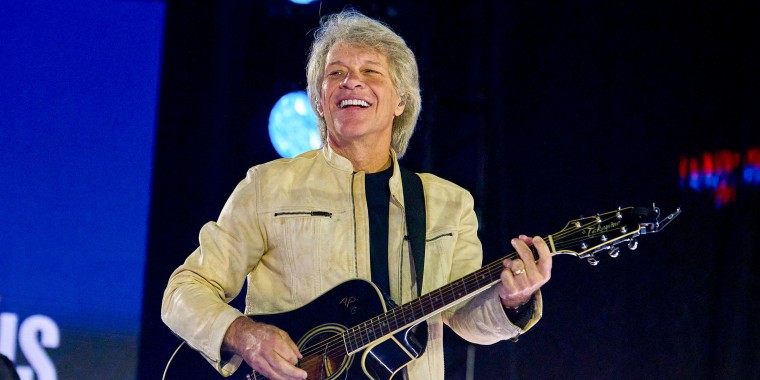
At one point, the musician delivered a stark warning about the future of national leadership, suggesting that political power can persist unless voters actively engage in shaping the country's direction.
According to Bon Jovi, the responsibility for safeguarding democratic institutions ultimately belongs to the people themselves.
His remarks, delivered calmly but with clear intensity, quickly became the most widely shared moment of the conversation.
Observers noted that Bon Jovi appeared visibly reflective while speaking, occasionally pausing to emphasize the seriousness of the topics he was addressing.
For many viewers, the emotional tone of the discussion stood out just as much as the words themselves.
From Music to Civic Reflection
The interview began on more familiar ground, with Wallace asking Bon Jovi about his decades-long career in music and the influence his songs have had on generations of fans.
For more than forty years, Bon Jovi has been one of the most recognizable figures in rock music. Songs like "Livin' on a Prayer," "Wanted Dead or Alive," and "It's My Life" became global anthems, resonating with audiences far beyond the United States.
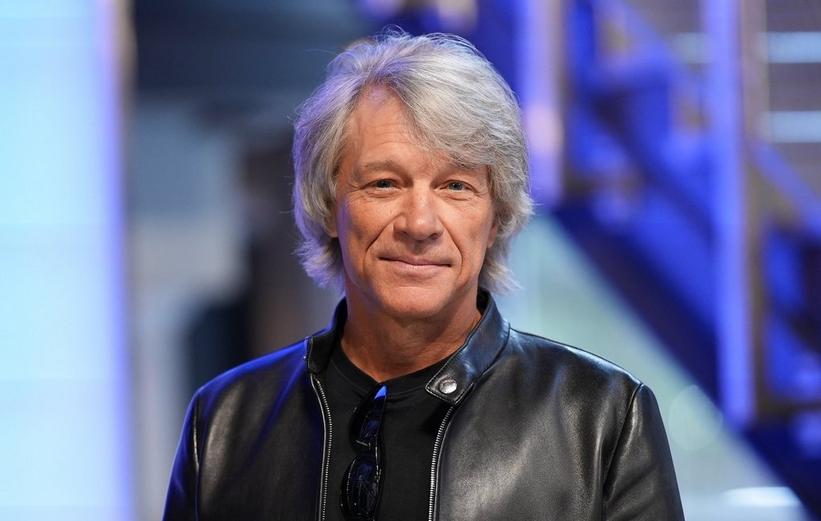
Yet Bon Jovi has also long used his platform to address social issues.
Through his JBJ Soul Foundation, the singer has supported initiatives focused on affordable housing, poverty relief, and community support. His JBJ Soul Kitchen community restaurants have become widely recognized for helping people facing food insecurity while preserving dignity and inclusion.
Because of that background, Wallace asked how artists like Bon Jovi view their role in times of political tension.
The Role of Artists in Public Debate
Bon Jovi acknowledged that many musicians prefer to avoid political discussions entirely. However, he suggested that artists — like all citizens — have a responsibility to speak honestly about issues they believe affect their communities.
He emphasized that the purpose of his remarks was not partisan politics but civic awareness.
"When you care about your country, you care about where it's going," Bon Jovi said during the interview.
For the singer, that concern appears rooted in the same themes that have defined his music for decades: perseverance, community, and the belief that ordinary people can shape their own future.
A Conversation That Felt Different
Viewers and commentators alike noted that the interview felt different from typical political segments.
Rather than a fast-paced debate or confrontational exchange, the conversation unfolded slowly and thoughtfully. Bon Jovi's tone often resembled reflection rather than argument.
Wallace herself acknowledged the unusual atmosphere of the interview, observing that it felt less like a traditional political discussion and more like a personal appeal to the public.
For many viewers, that tone made the message more striking.
Reaction From Fans and Critics

Clips from the interview spread rapidly across social media shortly after the broadcast aired. Supporters praised Bon Jovi for speaking openly about his concerns and using his influence to encourage civic engagement.
Others questioned whether entertainers should weigh in so directly on political matters.
Media analysts say such debates have become increasingly common as celebrities with large audiences choose to participate in national conversations.
"In the modern media environment, the lines between culture and politics are often blurred," said one communications expert. "Artists who speak about social issues are likely to generate strong reactions from both supporters and critics."
Bon Jovi's Longstanding Connection to Community
For many fans, Bon Jovi's comments did not come as a surprise.
Throughout his career, the singer has consistently emphasized themes of responsibility, compassion, and community support. His philanthropic work has earned widespread respect, particularly in his home state of New Jersey.
From housing initiatives to programs aimed at addressing hunger, Bon Jovi's charitable projects have often focused on helping individuals who feel overlooked by larger systems.
That perspective, supporters say, helps explain why he chose to speak so openly during the interview.
A Message About the Future
By the end of the conversation, Bon Jovi returned to a central theme: the idea that the future of the country ultimately depends on the decisions and actions of its citizens.
Rather than framing his remarks as a political endorsement or attack, he emphasized the importance of participation, awareness, and responsibility.
For an artist who has spent decades inspiring audiences through music, the interview offered a different kind of performance — one defined not by guitars or stadium lights, but by reflection and concern.
And whether audiences agree with his views or not, Jon Bon Jovi's message made one thing clear: he believes the choices Americans make today will shape the nation for generations to come.