

Few people expected Mick Jagger, the electrifying frontman of The Rolling Stones and one of the most recognizable figures in rock music history, to suddenly find himself at the center of a growing political conversation in the United States. Yet recent reports suggesting that the legendary singer has shown support for the grassroots campaign "Make America Trumpless Again" have sparked widespread debate across social media, news outlets, and political commentary programs.
The movement, which reportedly began online among progressive activists, aims to encourage civic engagement and mobilize voters to support alternative candidates at both local and national levels during the 2026 election cycle. Although initially a relatively small social media effort, the campaign gained rapid momentum as posts and hashtags connected to it began spreading widely.
/i.s3.glbimg.com/v1/AUTH_da025474c0c44edd99332dddb09cabe8/internal_photos/bs/2024/A/O/HRo8hKRXufPPGMJMZwSg/103775955-mick-jagger-of-the-rolling-stones-performs-on-stage-at-johan-cruijff-arena-amsterdam-nethe.jpg)
Jagger's alleged involvement has only amplified the attention.
A Rock Icon Steps Into the Conversation
For decades, Mick Jagger has been known primarily for his musical influence. As the charismatic frontman of The Rolling Stones, he helped define modern rock and roll with iconic songs such as "(I Can't Get No) Satisfaction," "Gimme Shelter," and "Paint It Black."
But like many artists with global influence, Jagger has occasionally commented on social issues and political developments throughout his career.
According to posts circulating online, Jagger recently voiced support for the "Make America Trumpless Again" movement during public remarks and through messages encouraging people to participate in the democratic process.
Supporters of the campaign say Jagger's involvement has helped bring new attention to the movement's message about civic engagement and voter participation.
In particular, fans have pointed to the singer's emphasis on the importance of voting and the role individuals play in shaping the future of their communities.
The Power of Celebrity Influence
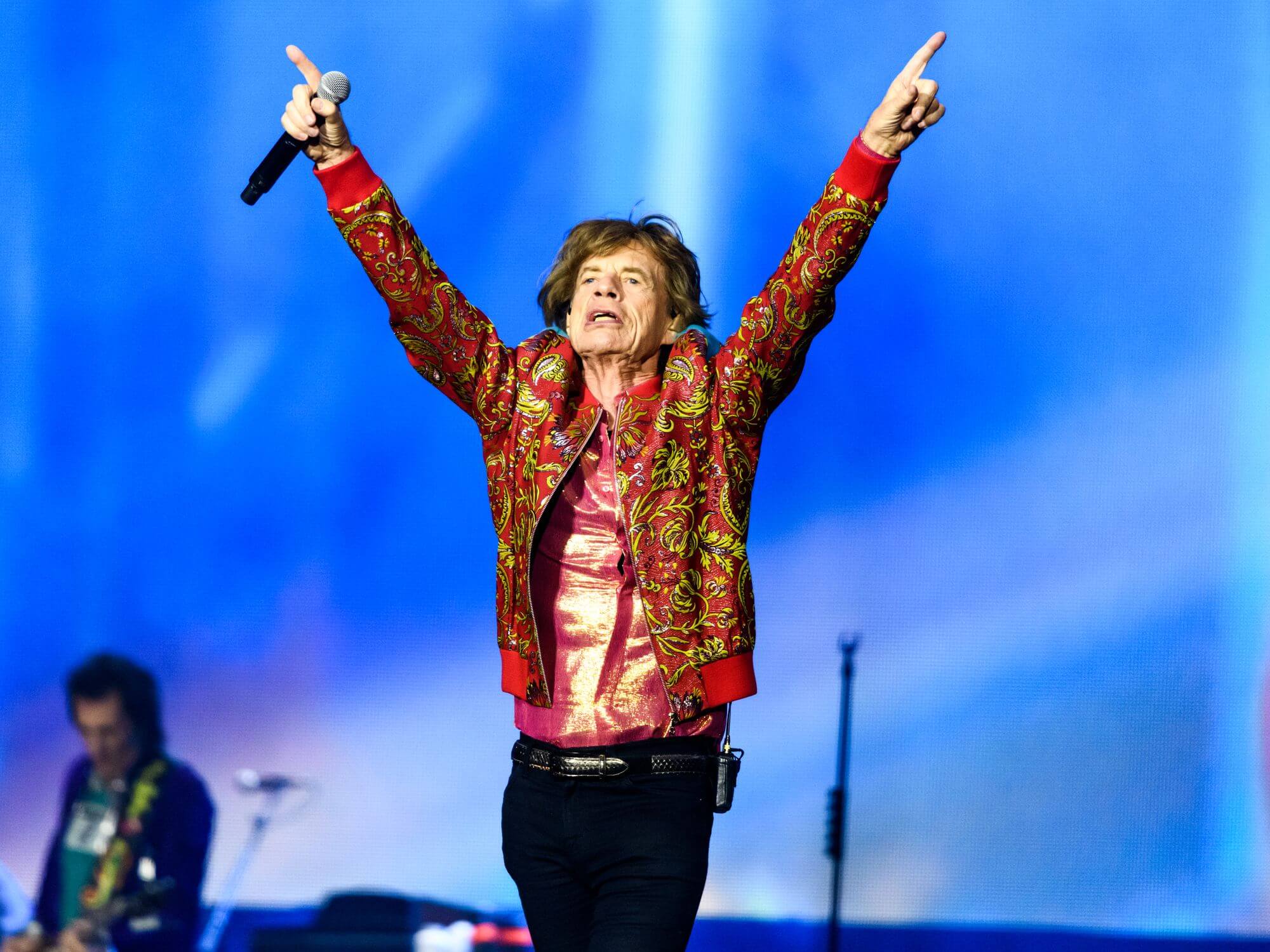
The reaction to Jagger's reported support highlights a recurring debate in modern public life: the role of celebrities in political discourse.
Some observers believe public figures have a responsibility to speak about issues that affect society, particularly when they have platforms capable of reaching millions of people.
Supporters of Jagger's comments say musicians and artists have historically helped spark important conversations about democracy, social justice, and public accountability.
"Artists have always reflected the times they live in," one political analyst noted. "When someone with global recognition speaks about civic engagement, people listen."
Others, however, remain skeptical about celebrities entering political debates.
Critics argue that entertainers should focus on their professional work rather than influencing political discussions.
For them, the involvement of figures from the entertainment industry can blur the line between cultural influence and political advocacy.
A Viral Story
Regardless of where people stand on the issue, the story surrounding Jagger's involvement has spread quickly.
Clips of his remarks, screenshots of social media posts, and commentary from both supporters and critics have circulated across platforms, fueling thousands of online discussions.
In today's digital media environment, moments like this can escalate rapidly. A single comment from a globally recognized figure can reach millions of viewers within hours.
That phenomenon has become increasingly common in recent years as artists, athletes, and actors engage more openly in public conversations about national issues.
A History of Artists in Politics
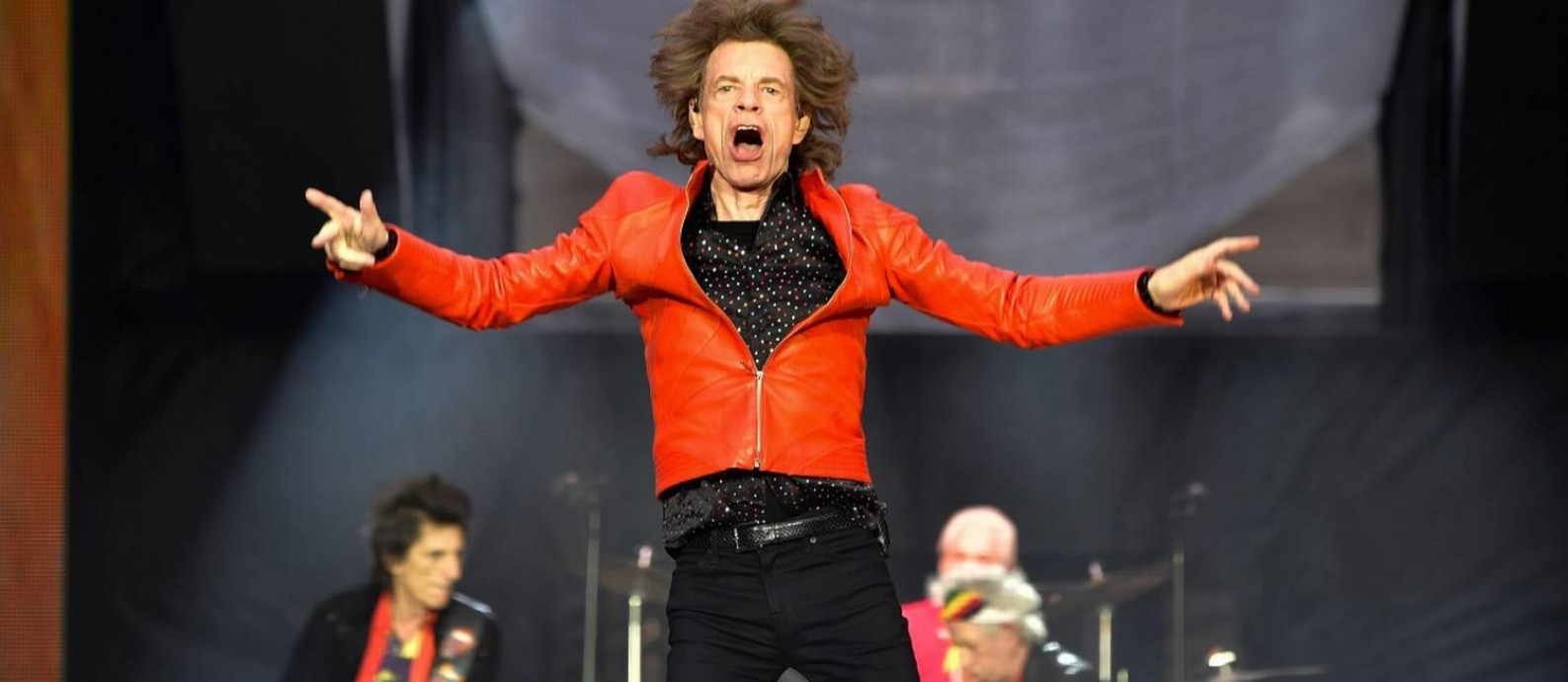
The intersection between music and political expression is hardly new.
From the folk protest songs of the 1960s to modern pop artists speaking about social justice, musicians have often used their voices to reflect the concerns of their audiences.
Jagger himself came of age during an era when music and political commentary frequently overlapped. The Rolling Stones' early career unfolded during a period marked by cultural transformation, protest movements, and debates about social change.
Although the band has generally focused on music rather than overt political messaging, Jagger has occasionally addressed political topics in interviews and public discussions.
A Divided Reaction
The response to Jagger's reported support for the movement has been mixed.
Some fans have applauded him for encouraging people to become more involved in civic life. For them, the message about participation and voting resonates regardless of political affiliation.
Others argue that celebrities risk alienating portions of their audience when they express political opinions.
Media analysts note that such reactions are almost inevitable in an era when political identity and cultural loyalty often overlap.
"When artists speak about politics, it can energize supporters but also provoke strong criticism," said one communications expert.
What Happens Next
At this stage, it remains unclear whether Jagger plans to play a larger role in the campaign or whether his comments represent a more limited expression of support.
Neither Jagger nor representatives for The Rolling Stones have issued a detailed statement outlining the extent of his involvement.
Still, the attention surrounding the story demonstrates the continued influence of global cultural figures in shaping public conversations.
For someone whose career has spanned more than six decades, Jagger's ability to capture public attention — even outside the world of music — remains remarkable.
A Moment That Sparked Curiosity
Perhaps the most intriguing part of the story involves a moment mentioned by attendees at a recent event where Jagger reportedly spoke.
According to several online accounts, the singer ended his remarks with a short, unexpected line that drew cheers from the audience before he stepped away from the stage.
The exact wording of that comment has now become one of the most discussed details among fans and commentators online.
And it's the moment many people are now searching for — the one detail that turned a routine appearance into a viral story that continues to spread across the internet.