

An Unexpected Shift on Stage
In an industry often defined by spectacle, volume, and carefully orchestrated performances, a recent appearance by Blake Shelton offered something strikingly different. During what was expected to be a routine musical segment, Shelton stepped forward alongside his stepson, Kingston Rossdale, and delivered a moment that would quickly capture widespread attention.
There were no flashing lights, no dramatic introduction, and no buildup designed to energize the crowd. Instead, the two appeared with only a guitar, standing quietly before an audience that soon realized they were about to witness something far removed from the usual concert experience.
What followed was not a performance in the traditional sense, but a shared moment of reflection—one that would leave a lasting impression on those present and, later, on viewers around the world.
A Song That Changed the Atmosphere
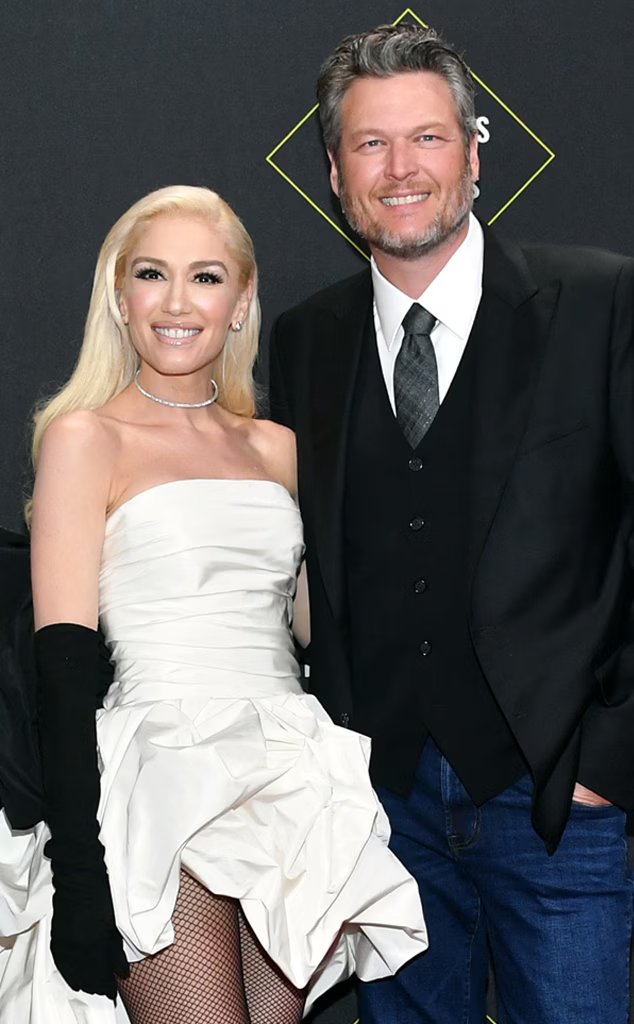
As Shelton and Kingston began their acoustic performance, the atmosphere in the room shifted almost immediately. Conversations faded, movement slowed, and the energy that typically defines live events gave way to stillness.
The song itself was simple in structure, carried by gentle chords and understated vocals. Yet its message—centered on hope, compassion, and a longing for peace—resonated deeply. Each line was delivered without embellishment, allowing the sincerity of the words to take precedence over technical complexity.
Observers noted that the absence of spectacle made the moment more powerful. Without distraction, the focus remained entirely on the message being conveyed. It was a reminder that music, at its core, does not require amplification to have impact.
A Bond Reflected in Music
Beyond the song’s message, the performance also highlighted the relationship between Shelton and Kingston Rossdale. Known publicly as a country music star and a member of a high-profile family, Shelton is often seen in the context of his career achievements.
In this moment, however, the focus shifted to something more personal. The interaction between the two—subtle glances, shared timing, and a natural ease—reflected a connection that extended beyond the stage.
For Kingston, still emerging as a young talent, the performance represented an opportunity to share in a meaningful experience alongside a seasoned artist. For Shelton, it was a chance to step into a different role—one that emphasized mentorship, support, and shared expression.
This dynamic added depth to the performance, transforming it into more than just a musical act. It became a reflection of family, guidance, and the passing of creative expression from one generation to the next.
Audience Response: Silence and Reflection

Perhaps the most telling aspect of the moment was the audience’s reaction. Rather than responding with immediate applause or visible excitement, many remained still, absorbed in the performance.
Some attendees reportedly closed their eyes, others bowed their heads, and many simply stood quietly, allowing the music to settle. It was a rare instance in which a large audience collectively chose to listen rather than react.
This response speaks to the emotional weight of the performance. In a setting where noise and energy are often expected, silence became the most powerful form of engagement.
A Viral Moment Beyond the Stage
Following the event, recordings of the performance quickly began circulating online. Within hours, clips had spread across social media platforms, drawing reactions from viewers who had not been present but felt the impact nonetheless.
Comments described the moment as “unexpected,” “deeply moving,” and “a reminder of what music can be.” Many viewers pointed to the simplicity of the performance as its defining strength, emphasizing how the absence of production allowed the message to come through clearly.
The rapid spread of the video highlights a broader trend in digital media: audiences are increasingly drawn to moments that feel genuine and unscripted. In a landscape saturated with polished content, authenticity stands out.
Music as a Medium for Meaning
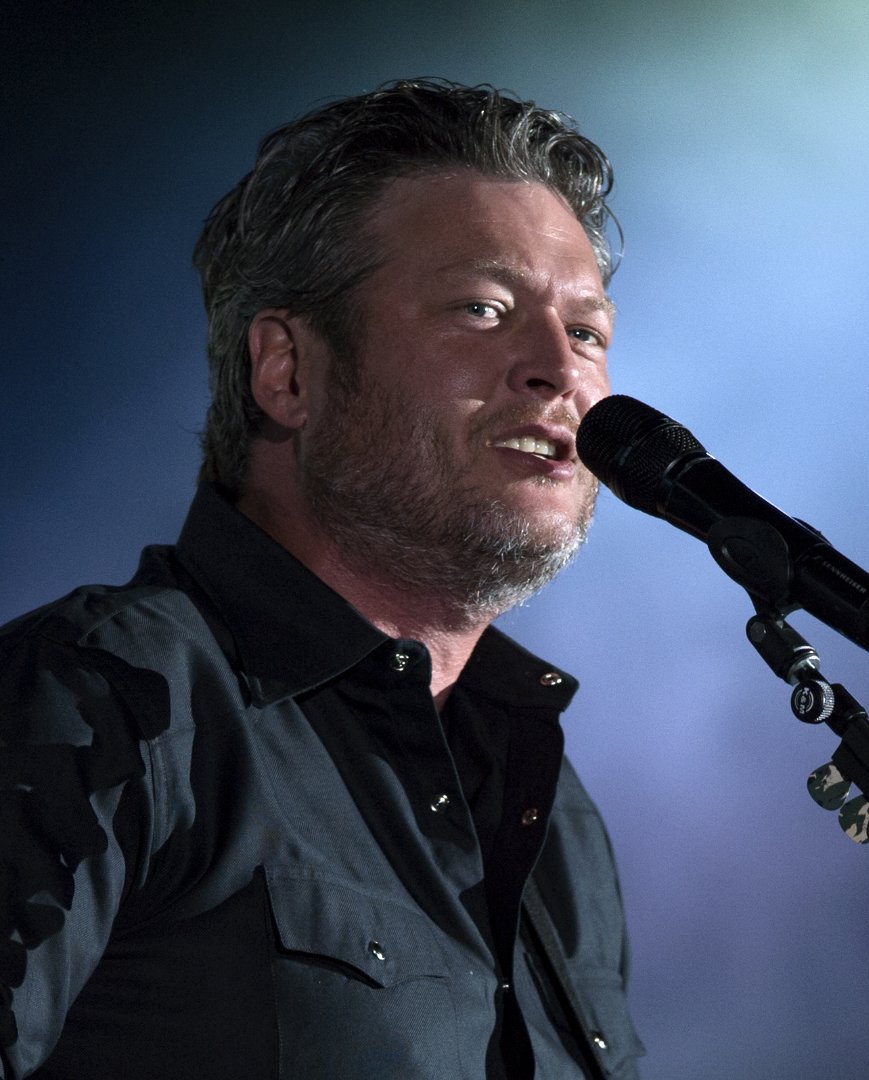
The performance by Shelton and Kingston also raises broader questions about the role of music in contemporary culture. While commercial success and entertainment value remain important, there is a growing recognition of music’s capacity to address deeper themes.
By choosing to perform a song centered on peace and human connection, the two artists aligned themselves with a tradition of using music as a form of expression that extends beyond entertainment. Such moments serve as reminders that music can function as a unifying force, capable of bringing attention to shared values and collective aspirations.
A Contrast to Industry Norms
In many ways, the performance stood in contrast to prevailing industry norms. Large-scale productions, elaborate visuals, and high-energy delivery often dominate the live music experience. While these elements have their place, they can sometimes overshadow the core message of a song.
Shelton and Kingston’s decision to strip away these elements demonstrated an alternative approach—one that prioritizes clarity, sincerity, and emotional resonance. It is a reminder that impact does not always correlate with scale.
Why the Moment Resonated
The widespread response to the performance can be attributed to several factors. First, its unexpected nature captured attention, breaking from the anticipated flow of a live event. Second, its simplicity allowed audiences to engage without distraction.
Most importantly, however, was its sincerity. In an era where authenticity is often questioned, moments that feel genuine carry significant weight. The performance did not attempt to impress; it sought to communicate.
That distinction proved meaningful for audiences both in the room and online.
A Lasting Impression
While the performance itself was brief, its impact continues to resonate. It has become a point of discussion not only among fans, but also within broader conversations about the role of authenticity in music.
For Blake Shelton, it represents another dimension of his artistry—one that extends beyond commercial success into personal expression. For Kingston Rossdale, it marks a moment of visibility that may shape his own creative path.
A Reminder of Music’s Core Purpose
Ultimately, the performance serves as a reminder of why music remains a powerful form of expression. Beyond charts, awards, and production value, it has the ability to connect people, convey meaning, and create moments that linger long after the final note.
In choosing to step away from spectacle and focus on a simple message, Blake Shelton and Kingston Rossdale demonstrated that sometimes, the most impactful performances are the quietest ones.
And in a world often defined by noise, that quiet moment spoke volumes.